Climate Policy, Energy Policy, Environmental Policy, Sustainability, UK Politics

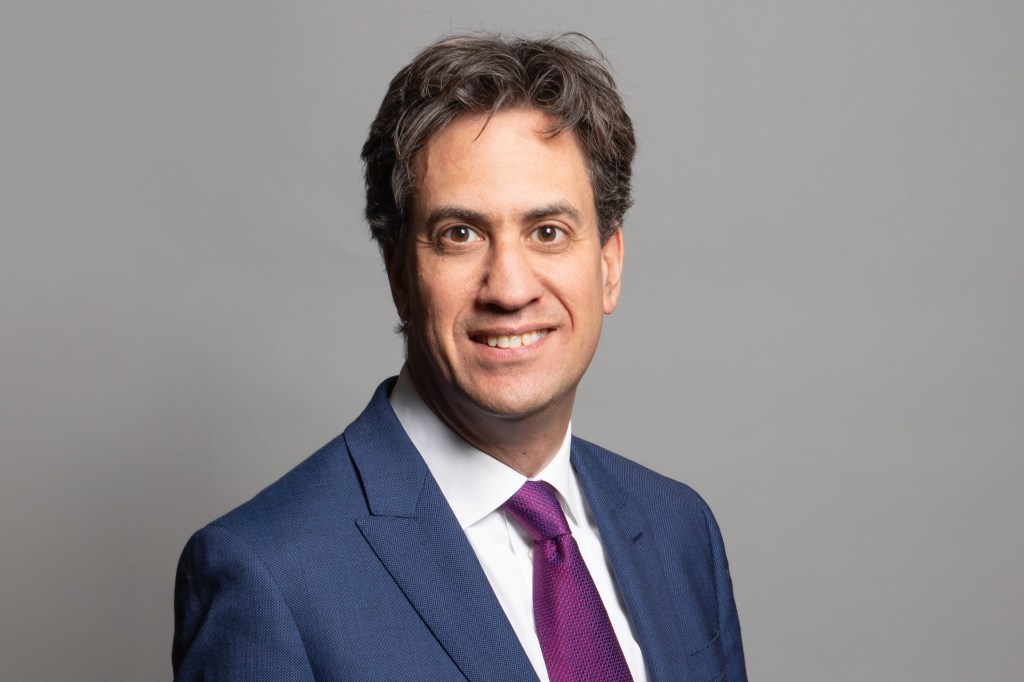
Ed Miliband: Back to Save the Planet… Again?

When Ed Miliband first took the helm of the Department of Energy and Climate Change (DECC) in 2008, the world was a very different place. The iPhone was barely a year old, Barack Obama had just been elected President of the United States, and the idea of UK leaving the EU had not even fertilised to form the “zygote” of Brexit. Fast forward to 2024, and Ed Miliband finds himself once again at the forefront of the UK’s energy policy, now rebranded as the Secretary of State of the Department for Energy Security and Net Zero (DESNZ). The nostalgia is almost palpable, but one has to wonder: is this the dawn of a new era or just a case of déjà vu?

Back in 2008, Miliband was a young, energetic politician with grand visions of a greener future. He championed the Climate Change Act, a groundbreaking piece of legislation that set legally binding targets for reducing carbon emissions. It was a bold move, especially for a country still heavily reliant on fossil fuels. The establishment of the Committee on Climate Change (CCC) was another feather in his cap, designed to hold the government accountable and ensure that these targets were met. These were the days when optimism about combating climate change was high, and the term “clean coal” was bandied about as if it were the holy grail of energy solutions.

However, as with all grand ideas, reality has a way of intervening. The concept of “clean coal” proved to be more fantasy than fact, and balancing the rhetoric with the harsh realities of implementation became an increasingly Sisyphean task. The subsequent 14 years of Conservative rule saw significant changes in the department’s structure and focus. In 2016, under Prime Minister Theresa May, DECC morphed into the Department for Business, Energy, and Industrial Strategy (BEIS), and under Rishi Sunak’s premiership, it transformed into what we now call DESNZ. This constant rebranding and restructuring might suggest a dynamic, adaptive approach to energy policy, but it also smacks of a lack of long-term vision and consistency.

During the Conservative years, the world witnessed seismic shifts in the energy and environmental landscape. The Paris Agreement of 2015 was a global commitment to tackle climate change, a beacon of hope amidst growing environmental despair. The UK’s net-zero strategy, aimed at eliminating greenhouse gas emissions by 2050, was another ambitious target set amidst an era of increasing environmental awareness. However, these years were also marked by geopolitical tensions, Brexit-induced uncertainties, and energy crises that saw the cost of living skyrocket. It’s against this tumultuous backdrop that Miliband makes his return.

So, what can we expect from Ed Miliband’s second act? Will he be the seasoned statesman who navigates the complexities of modern energy policy with wisdom and foresight, or will he fall back into the idealistic traps of his earlier tenure? One thing is certain: the challenges he faces now are far more complex than those of 2008. The clean coal rhetoric has long been debunked, and the focus has shifted towards more viable renewable energy sources like wind, solar, and nuclear power. But even these come with their own set of challenges, from technological limitations to public opposition.

One of the most pressing issues Miliband will have to address is the ongoing energy crisis. Geopolitical tensions, particularly those involving major oil and gas producing countries, have created a volatile energy market. Prices have soared, contributing to a cost of living crisis that has left many households struggling to pay their bills. Energy security, therefore, is not just about finding sustainable sources; it’s also about ensuring affordability and stability. This delicate balancing act will require more than just idealism; it will demand pragmatic, innovative solutions that can adapt to rapidly changing global dynamics.

Brexit adds another layer of complexity to Miliband’s task. The UK’s departure from the European Union has not only altered its economic landscape but also its environmental policy framework. The EU’s stringent environmental regulations no longer apply, leaving the UK to forge its own path. This could be an opportunity for Miliband to craft a uniquely British approach to energy and climate policy, but it could also lead to regulatory gaps and inconsistencies. Navigating this post-Brexit terrain will require diplomatic finesse and a clear vision of what the UK’s environmental future should look like.

Public opinion will also play a crucial role in Miliband’s tenure. The electorate has shown increasing concern about climate change, but there’s also significant anxiety about the economic implications of stringent environmental policies. Striking the right balance between environmental responsibility and economic viability will be a key test of Miliband’s leadership. Can he convince the public that the sacrifices required for a sustainable future are worth making? Can he ensure that the transition to a greener economy does not leave the most vulnerable behind?

Then there’s the issue of technological innovation. The rapid advancement of renewable energy technologies presents both opportunities and challenges. Investing in research and development will be crucial, but so will be the need to manage the transition from old to new energy infrastructures. This includes not just the physical infrastructure, but also the workforce. Retraining and redeploying workers from traditional energy sectors to new, green jobs will be essential in ensuring a just transition.

Ultimately, the eyes of the nation – and indeed the world – will be on Ed Miliband in the coming months (years). His ability to navigate the complex interplay of environmental, economic, and social factors will determine not just his legacy but also the UK’s trajectory in the fight against climate change. The stakes are high, the challenges immense, but if history has taught us anything, it’s that bold leadership can indeed change the world. Whether Miliband will rise to the occasion or falter under the weight of expectations remains to be seen. One thing is certain: the return of Ed Miliband marks a new chapter in the ongoing saga of the UK’s energy and climate change policy.


Daily Motivation, Everyday Life

Why Give Up Now? There’s So Much More to Complain About

Life is tough, but so are you. Yeah, I know, it sounds like something you’d find on a motivational poster hanging in a High School classroom or maybe printed on a mug in some office supply store. But here’s the thing: it’s true. Life is like that personal trainer who yells at you to keep pushing through the pain. It’s relentless, unyielding, and at times, completely infuriating. But guess what? So are you.

Think about it. You’ve made it this far, haven’t you? You’ve faced challenges, heartbreaks, failures, and a myriad of “what the actual heck” moments, and yet, here you are, still standing (or sitting, depending on your current state of affairs). You’ve weathered storms that could have knocked anyone else flat, but you kept going. Why? Because deep down, beneath all the self-doubt and the occasional Netflix binge, you know you’re capable of greatness.

Believing in yourself is a bit like learning to ride a bike. At first, it’s wobbly and terrifying. You’re not sure if you’re going to faceplant into the sidewalk or glide smoothly down the road. But with each pedal, each shaky attempt, you get a little better. Eventually, you’re zooming around, wind in your hair, feeling like you’ve conquered the world. Self-belief works in much the same way. It’s about taking that first, often shaky step and then another, and another, until you’re cruising along, confident in your abilities.

Take a moment to reflect on the trials you’ve already overcome. Remember that time you didn’t get the job you were sure was your ticket to greatness? Or when that relationship you thought would last forever crumbled like a cheap cookie? You were devastated, right? But you picked yourself up, brushed off the metaphorical dirt, and kept going. You found another job, maybe not right away, but eventually. You met new people, forged new connections, and perhaps even found someone who was a better fit. Each setback was a setup for a comeback, as trite as that might sound.

The key to all this isn’t some mystical inner strength only a few possess. It’s about persistence, plain and simple. It’s about waking up every day and deciding, sometimes against all odds, to keep moving forward. It’s not glamorous, and it sure as hell isn’t easy, but it’s what gets you through.

Believing in yourself also means acknowledging your imperfections and embracing them. You’re not a superhero, and you’re not supposed to be. Perfection is a myth perpetuated by Instagram filters and Photoshop. Real life is messy and imperfect, and that’s okay. It’s okay to admit you’re struggling. It’s okay to ask for help. And it’s definitely okay to fail. Failure is not the end of the road; it’s a detour, a chance to learn and grow.

Life is a marathon, not a sprint. There will be days when you feel like you’re running on fumes, and that’s okay. Just keep putting one foot in front of the other. Even if you’re crawling, you’re still moving forward. And if you ever doubt your strength, just look back at everything you’ve overcome. You’re still here, still fighting, still dreaming. That takes guts.

So, here’s to you, the unsung hero of your own story. Keep going. You’re stronger than you think. Believe in yourself, even if no one else does. And remember, life might be tough, but so are you. Now go out there and show the world what you’re made of. Or at least, make it through the day without losing your sanity. Either way, you’ve got this.

Daily Motivation, Everyday Life

Embrace Your Inner Strength: A Practical Guide to Self-Inspiration

In this fast-paced life where everyone is caught in the unending cycle of personal struggles, waiting for external inspiration or validation may lead to disappointment. You know, that mythical lightning bolt of creativity or motivation that supposedly transforms your life into a symphony of productivity and fulfillment. Spoiler alert: it’s not coming. So, why wait for inspiration when you can be the inspiration? Yes, you heard me right. Be your own muse. After all, nobody knows you better than you do.

First, let’s address the elephant in the room. The idea of being your own inspiration might sound like a plot twist in a self-help book that you’d rather avoid. But think about it: if you spend all your time waiting for external inspiration, you’re basically handing over the reins of your life to something as unpredictable as the weather. And we all know how reliable that is. Instead, why not embrace your inner strength and unique qualities? They are there, trust me. You just have to dust them off and put them to good use.

To start with, let’s talk about your unique qualities. Remember that time you managed to cook a decent meal without burning down the kitchen? Or when you finally figured out how to use Excel without contemplating throwing your laptop out the window? Those are the moments that show you’ve got potential. Now, imagine harnessing that potential on a daily basis. Sounds exhausting, right? But it’s actually simpler than you think. It starts with recognizing your small victories and understanding that they are the building blocks of something greater.

Now, I know what you’re thinking. “Great, another pep talk about inner strength. What’s next? Meditation and green smoothies?” Hold your horses. We’re not venturing into the realm of Instagram wellness influencers just yet. What I’m talking about is a practical approach to leveraging your inner qualities. It’s about understanding that you don’t need to scale Everest to prove your worth. Sometimes, just making it through a Monday without losing your sanity is enough to earn you a gold star.

Here’s a little secret: the journey to self-inspiration doesn’t require a grand transformation. It’s about making small, consistent changes. Start by setting achievable goals. Yes, achievable. Not those pie-in-the-sky dreams that sound impressive but are about as likely as winning the lottery. Focus on what you can do today that will make a difference tomorrow. Maybe it’s finally organizing that cluttered drawer that’s been mocking you for months. Or perhaps it’s committing to a 15-minute walk each day to clear your mind. These small steps add up, creating a ripple effect that can lead to significant changes over time.

Embracing your inner strength also means giving yourself permission to fail. Yes, fail. Because guess what? Failure is part of the process. It’s how you learn, grow, and eventually succeed. Think of it as a rite of passage. Every successful person you admire has a trail of failures behind them. They’ve just learned to see failure as a stepping stone rather than a stumbling block. So, the next time you fall flat on your face (figuratively, I hope), remember that it’s just another step on your journey to becoming your own inspiration.

Another crucial aspect is surrounding yourself with positivity. And no, this doesn’t mean you have to join a cult of relentless optimists. It’s about curating an environment that fosters growth and encourages you to be your best self. This might mean reevaluating some relationships or finding new hobbies that ignite your passion. It’s about creating a space where you can thrive rather than just survive. After all, you wouldn’t expect a plant to grow in the dark, would you?

Lastly, don’t forget to celebrate your successes, no matter how small. Reward yourself for the progress you’ve made. Treat yourself to that fancy coffee or take a day off to do absolutely nothing without feeling guilty. These moments of celebration are essential in maintaining your motivation and reminding you of why you’re putting in the effort in the first place.

So, in this fast-paced life where everyone is preoccupied with their own struggles, don’t wait for inspiration to knock on your door. It’s probably lost somewhere, trying to find the right address. Instead, be the inspiration you seek. Embrace your inner strength and unique qualities, and let them guide you on your journey. It’s not about perfection; it’s about progress. And who knows? You might just inspire others along the way.

Entertainment, Everyday Life, Ghana News

🎬🍴 Movie Review: Chef Smith – The Culinary Con🍴🎬

If Chef Smith’s story were a movie, I’d be lamenting the wasted popcorn. The film follows the rise and fall of Chef Smith, a man whose fake Guinness World Record award unravel faster than a batch of poorly made pastry dough.

First off, let’s talk about the plot. Chef Smith, the self-proclaimed culinary genius, is riding high on a wave of self-fabricated accolades. From a fake Guinness World Record to a bogus “International Master Chef’s Club Excellence” award, this guy’s resume is as real as a three-cedi coin. During the TV interview on GHOne, the host, playing the role of the incredulous audience surrogate, asks, “If that one too  [the International Master Chef’s Club Excellence] is fake, what’s real about you then?” And what does our protagonist respond with? “I love cooking.” Seriously? That’s your big reveal?

The film tries to sell us on the idea that Chef Smith is a mastermind of deception, but his downfall is so swift and clumsy that it’s hard to buy into it. One minute he’s the hard-nosed con artist, and the next he’s crumbling under the weight of his own lies like a ‘bumbling fool.’ It’s as if the scriptwriter couldn’t decide whether to make us hate him or feel sorry for him, and in the end, they achieved neither.

In modern societies where trust is the gold standard, Chef Smith’s antics are a stark reminder that some people will go to great lengths to fabricate success. But let’s be real: if this were a movie, I’d be shaking my head at the screenwriter’s poor handling of the climax. The transition from cunning to clueless is so abrupt it feels like we missed a few crucial scenes.

To understand where Chef Smith’s story went wrong, let’s compare it to another infamous con artist: Dr. UN. Dr. UN managed to dupe some of Ghana’s most prominent figures, including the Speaker of Parliament and top musicians, into accepting fake awards. The brilliance of Dr. UN’s character lies in his unwavering commitment to his con. Even after being exposed, he continues to defend himself with a straight face, maintaining his fictional narrative. This consistency makes him a far more compelling and believable character.

Dr. UN’s story offers a masterclass in character development. He evolves, adapting to each revelation with a new layer of audacity. Unlike Chef Smith, who falls apart as soon as the truth is revealed, Dr. UN stands his ground, adding a delicious complexity to his character. His antics are so outlandish that they border on the absurd, yet his steadfastness in the face of exposure keeps audiences hooked.

Now, the burning question: should we expect a season two of Chef Smith’s tale? Honestly, I’m torn. On one hand, the sheer absurdity of Chef Smith’s escapades has a certain train-wreck appeal – can he sink any lower? On the other hand, do we really need more of this convoluted plot? If season two promises to delve deeper into the psyche of our not-so-masterful chef and maybe throw in some redemption arc (or more ridiculous failures), it might be worth a watch. But if it’s just more of the same slapdash storytelling, I’ll pass.

Or I think if the scriptwriters decide to pursue a sequel, they’ll need to overhaul the character development significantly. Perhaps they could take a leaf out of Dr. UN’s book and build a more consistent and resilient character, one who doesn’t just fold under pressure but instead weaves a web so intricate that the audience is left in awe, even if they detest him.

In conclusion, The Culinary Con is a wild ride, but not necessarily a good one. Chef Smith’s story is one part comedy, one part tragedy, and entirely a lesson in how not to pull off a scam. Here’s hoping if there is a season two, it comes with a better script and a protagonist who’s either convincingly cunning or hilariously inept – pick a lane, Chef!

🍽️💔🍿

Agricultural Policy, Election 2024, Politics, Sustainability, UK Politics

UK Agriculture and the 2024 General Election: Political Dilemmas and Future Implications

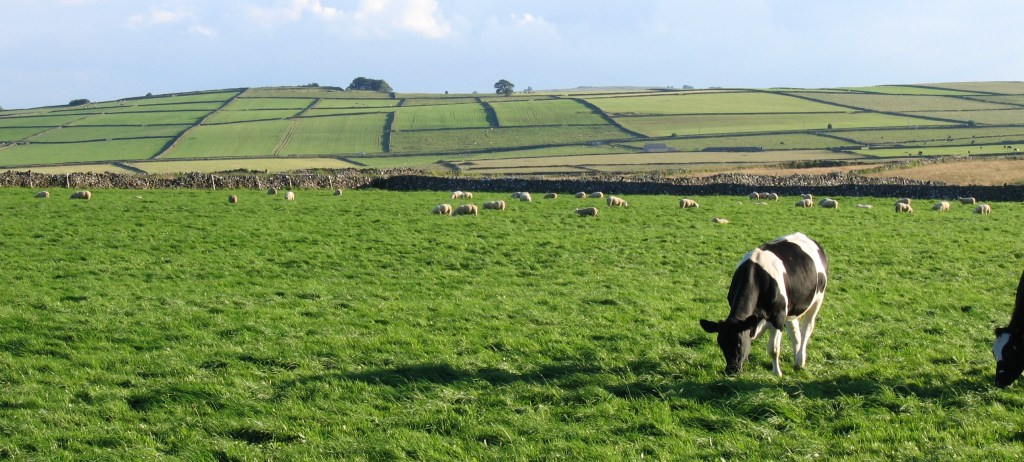
As the UK barrels towards the 2024 general election, the agricultural sector, often the quiet backbone of the nation, finds itself in a peculiar position. Historically overlooked in the glitz and glamour of campaign promises, agriculture now sits awkwardly in the limelight. It’s a sector that doesn’t scream for attention like health or immigration, but without it, we’d all be pretty hungry. So, what do our noble politicians have in store for the farmers who toil the land and, by extension, for the rest of us who benefit from their hard work?

Let’s be honest: agriculture isn’t the sexiest topic on the campaign trail. It’s not going to win over city dwellers preoccupied with the latest tax policies or NHS reform. Yet, agriculture is the thread that ties us all together, whether we realise it or not. Every tax policy, trade agreement, and environmental regulation reverberates through the fields and pastures, affecting what ends up on our dinner tables.

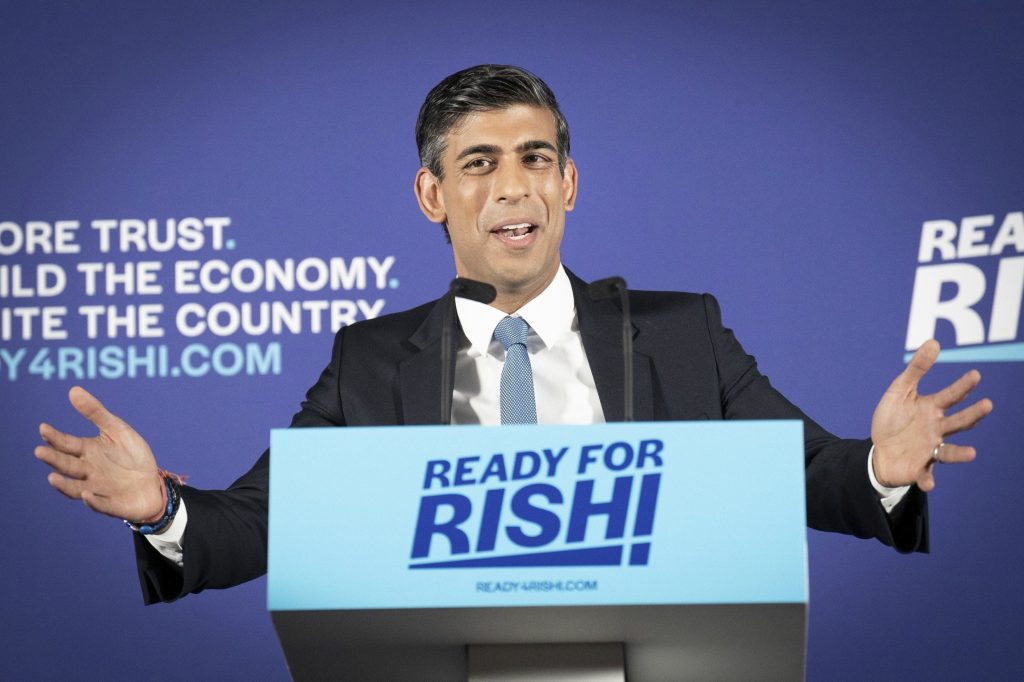
First, let’s talk about the Conservatives. The party that traditionally prides itself on supporting business and industry, but often finds itself in a bit of a pickle when it comes to agriculture. Rishi Sunak’s government has promised to support British farmers, but the specifics are as murky as a ploughed field after a rainstorm. They talk a good game about maintaining high standards for food production and animal welfare, but there’s a catch. They’re also all in for free trade agreements that sometimes prioritise cheaper imports over home-grown produce. The classic Conservative dilemma: to protect or to profit?

Sunak’s stance on agriculture seems to be a balancing act between pandering to rural voters and keeping urbanites happy with low food prices. On one hand, they’re promising subsidies and support for innovative farming practices. On the other, their trade deals with countries like Australia and the US could undercut British farmers. It’s like promising a kid candy, then handing it to his richer, more powerful cousin. Farmers might get some help to innovate, but they’ll also face tougher competition from imports that don’t always meet the same rigorous standards.

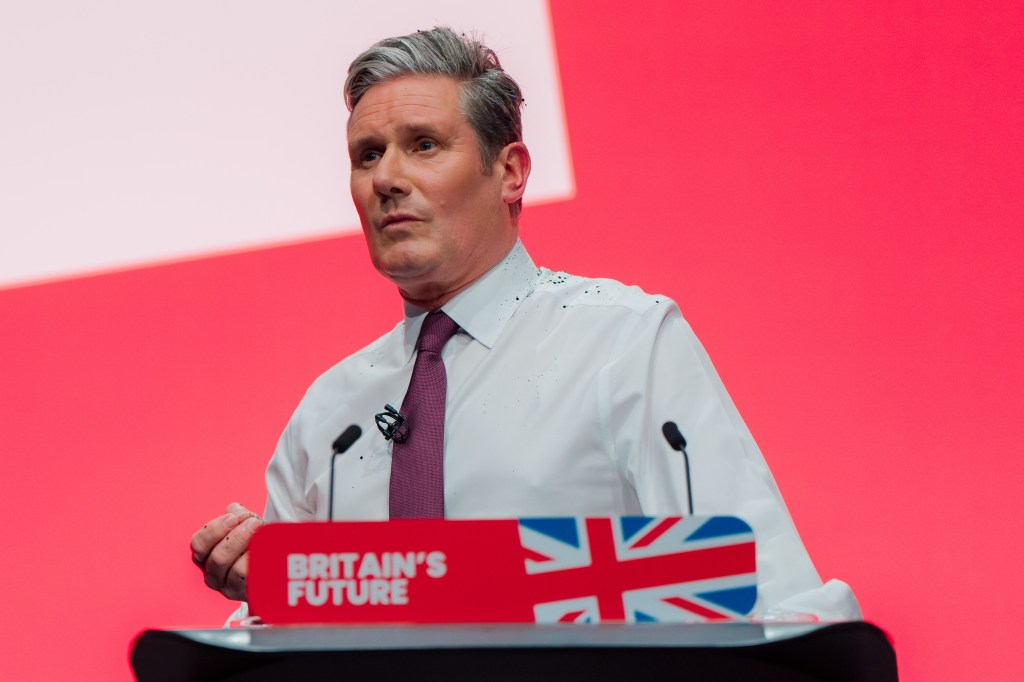
Switching gears to Labour, Keir Starmer is trying to paint a brighter future for British agriculture, but not without his own set of contradictions. Labour’s manifesto is big on sustainability and green farming practices, aiming to make British agriculture the poster child for environmental responsibility. Starmer wants to invest heavily in organic farming, reduce pesticide use, and increase biodiversity. It sounds wonderful, doesn’t it? Until you realize that this vision comes with a hefty price tag.

Labour’s green dreams are noble, but they could also mean higher costs for farmers and, consequently, higher prices for consumers. It’s the classic green vs. greenbacks conundrum. How much are we willing to pay for sustainability? And more importantly, how much are farmers willing to change without going bankrupt? Labour promises grants and financial support, but the practicalities of such a transition could make the difference between thriving farms and deserted fields.

Moreover, both parties have to grapple with the implications of Brexit. Yes, the B-word. Brexit has already turned the agricultural sector upside down, shaking up trade routes and supply chains. The Common Agricultural Policy (CAP) of the EU, which provided substantial subsidies to UK farmers, is a thing of the past. The government’s replacement, the Environmental Land Management Scheme (ELMS), is supposed to reward farmers for environmentally friendly practices. It’s a nice idea on paper, but the rollout has been slower than a tractor in first gear.

Under the ELMS, farmers are encouraged to enhance biodiversity, improve water quality, and reduce carbon emissions. However, the transition from the old subsidy system to this new, greener approach has left many farmers uncertain and anxious. The Conservatives assure us that this will ultimately benefit both the environment and the farmers, but the immediate reality feels like asking a marathon runner to switch to high heels halfway through the race.

Adding to the complexity, immigration policy throws another spanner in the works. The agricultural sector heavily relies on seasonal migrant workers, and immigration rules have tightened post-Brexit. Both Labour and the Conservatives acknowledge this issue, but their solutions differ. Labour proposes more flexible immigration rules to ensure farms have the labour they need. The Conservatives, however, focus on automation and mechanization as a long-term solution, a vision that sounds futuristic but may leave farmers struggling in the short term.

In practical terms, let’s take a hypothetical farmer, Mr. Green, who runs a modest dairy farm in Somerset. Under the Conservatives, Mr. Green might receive some support to adopt new technologies, but he’ll also face competition from imported dairy products. He could invest in robotic milkers, but these come with high upfront costs and a steep learning curve. Meanwhile, if Labour takes the helm, Mr. Green might get subsidies to turn his farm organic. However, transitioning to organic farming isn’t just a matter of flipping a switch; it requires time, money, and a market willing to pay premium prices for organic milk.

The crux of the matter is that agriculture is more interconnected with other policies than many care to acknowledge. Economic strategies, trade deals, immigration laws, and environmental policies all converge on the farms across the UK. Yet, the discourse remains fragmented, with agriculture often treated as a peripheral issue rather than a central pillar of policymaking.

Consider the linkage between trade policies and agriculture. A free trade agreement with Australia, which the Conservatives boast about, might reduce tariffs on Australian beef. This could be great for consumers craving cheaper steaks, but what about British beef farmers? They’re suddenly competing with vast Australian ranches where production costs are lower. The impact isn’t just economic; it’s cultural and environmental. British farmers often maintain hedgerows and woodlands, contributing to the rural landscape and biodiversity, practices not necessarily mirrored by their Australian counterparts.

On the immigration front, the seasonal nature of farm labour demands a flexible, reliable workforce. The Conservatives’ push towards automation might seem like a futuristic solution, but machines can’t pick strawberries with the same care and efficiency as human hands. Labour’s approach to ease immigration restrictions for seasonal workers might keep the farms running, but it’s a temporary fix to a deeper issue of workforce stability and rural employment.

Agriculture is also a bellwether for economic health. When farms struggle, rural economies suffer. The decline of small farms leads to the decay of rural communities, loss of local markets, and a disappearance of traditional knowledge and skills. A thriving agricultural sector, supported by coherent policies, not only feeds the nation but also sustains rural life and traditions.

So, as the election looms, what should farmers do? The answer is as complex as the issues they face. Voting isn’t just a matter of picking the party with the shiniest manifesto. It’s about considering the broader implications of each policy and how it intertwines with the practicalities of running a farm. Farmers must weigh the promises against the realities of their daily lives, considering both short-term needs and long-term sustainability.

In the end, the 2024 election might not revolutionise British agriculture, but it will set the tone for the next few years. Whether it’s through better trade deals, sensible immigration policies, or realistic environmental goals, the future of farming hinges on political decisions made today. As politicians jostle for votes, let’s hope they remember the hands that feed the nation. Because without them, all their grand promises will be worth less than a hill of beans.

Election 2024, UK Politics

A Deep Dive into the 2024 UK General Election: What’s at Stake?

As the UK approaches the 2024 general election, the political landscape is charged with a sense of urgency and uncertainty. The choices voters make in this election will not only determine the direction of the country for the next five years but could also have lasting impacts on the nation’s social, economic, and environmental fabric. This election is a critical juncture, laden with complex issues and competing visions for the future.

At the forefront of the debate is the economy, a topic that has dominated political discourse. The Conservatives, led by Prime Minister Rishi Sunak, have focused on tax cuts as a means to stimulate economic growth. Their manifesto promises reductions in income tax and corporation tax, aiming to put more money into the pockets of individuals and businesses. The underlying philosophy is clear: lower taxes will lead to increased spending and investment, thereby boosting the economy. However, this approach has been met with skepticism. Critics argue that tax cuts primarily benefit the wealthy and corporations, widening the gap between rich and poor. The question remains whether this trickle-down approach can truly address the economic challenges faced by ordinary citizens.

On the other hand, the Labour Party, under Keir Starmer, has proposed a more redistributive economic policy. Labour’s focus is on increasing public spending, particularly in health and education, funded by higher taxes on the wealthy and large corporations. Their argument is that by investing in public services and infrastructure, the government can create a more equitable society and sustainable economic growth. This philosophy is rooted in the belief that a strong welfare state is essential for social cohesion and economic stability. However, this approach is not without its critics, who warn that higher taxes could stifle business investment and economic dynamism.

Health care is another pivotal issue in this election. The NHS, long considered a cornerstone of British society, is under immense pressure. The Conservatives have pledged to increase funding and improve efficiency within the NHS, but their track record has been marred by accusations of underfunding and mismanagement. Labour, conversely, has committed to a substantial increase in NHS funding, aiming to reduce waiting times and improve patient care. They also plan to address the staffing crisis by recruiting more health workers and improving their pay and conditions. The practical implications of these policies are significant: while increased funding and recruitment are urgently needed, the source of this funding and its long-term sustainability remain contentious.

Immigration has emerged as one of the most hotly debated topics in this election. The UK has seen a sharp rise in both legal and illegal immigration, leading to polarised opinions on how to manage this influx. The Conservatives have taken a hardline stance, advocating for stricter controls and the controversial Rwanda Bill, which aims to deport illegal immigrants to Rwanda. This policy has been criticised as inhumane and impractical, with opponents arguing that it fails to address the root causes of immigration and asylum seeking. Labour has taken a different approach, proposing to scrap the Rwanda Bill and instead focus on returning illegal immigrants to their home countries. They also advocate for a more compassionate and efficient asylum system, as well as a cap on legal migration. This pragmatic stance aims to balance the need for immigration control with the recognition of the UK’s humanitarian responsibilities.

The environment, once a prominent issue in British politics, appears to have taken a back seat in this election. Both major parties have been criticised for their lack of ambitious environmental policies. The Conservatives have issued new oil licenses, signaling a continued reliance on fossil fuels, while Labour has abandoned its £28 billion investment pledge for a green transition. This retreat from environmental commitments is alarming in the context of the global climate crisis. Practical examples of the consequences of such neglect are evident in the increasing frequency of extreme weather events, which have devastating impacts on communities and economies alike.

A close examination of the manifestoes of the major parties reveals stark differences in their visions for the future. The Conservatives’ manifesto emphasizes economic growth through deregulation and tax cuts, with a focus on traditional industries such as finance and fossil fuels. Their policies are geared towards maintaining the status quo and supporting established economic structures. Labour’s manifesto, in contrast, is more progressive, with a strong emphasis on social justice and public investment. They advocate for a transition to a green economy, improved public services, and a fairer distribution of wealth.

The interplay between these themes – economy, health, immigration, and the environment – reflects broader ideological divides. The Conservatives’ approach is grounded in neoliberal principles, prioritising market solutions and individual responsibility. Labour, on the other hand, champions a more collectivist vision, emphasizing the role of the state in ensuring social welfare and environmental sustainability. These philosophical differences are not merely abstract; they have concrete implications for policy and governance.

A critical question arises: has the economy taken precedence over all other issues in this election? There is a strong argument to be made that it has. Economic policies are at the forefront of both parties’ campaigns, and the discourse around tax cuts, public spending, and fiscal responsibility dominates the political narrative. This focus is understandable given the economic challenges the UK faces, including inflation, stagnant wages, and rising living costs. However, the prioritisation of economic issues can lead to the marginalisation of other crucial areas, such as health care and the environment, which are inextricably linked to economic well-being.

In practical terms, the policies proposed by both parties must be evaluated not just on their ideological merits, but also on their feasibility and potential impact. For instance, tax cuts proposed by the Conservatives need to be scrutinised for their long-term fiscal sustainability and their actual effect on economic inequality. Similarly, Labour’s ambitious plans for public investment must be assessed for their practical implementation and funding mechanisms.

As voters head to the polls, they must navigate this complex landscape of competing visions and promises. The 2024 election is not just about choosing a government for the next five years; it is about setting the course for the future of the UK. The choices made will reflect broader societal values and priorities – whether the focus is on economic growth at any cost, a commitment to social justice and public welfare, or a balanced approach that integrates economic, social, and environmental considerations.

Ultimately, this election is a test of the UK’s democratic values and the responsiveness of its political system to the needs and aspirations of its citizens. It is a moment of critical reflection on the kind of society the UK wants to be and the legacy it wishes to leave for future generations. As such, every vote cast is not just a choice between parties and policies, but a statement of belief in a particular vision of the future. The stakes could not be higher, and the responsibility could not be greater.

Ghana's Political Economy, Ghanaian Politics, Politics

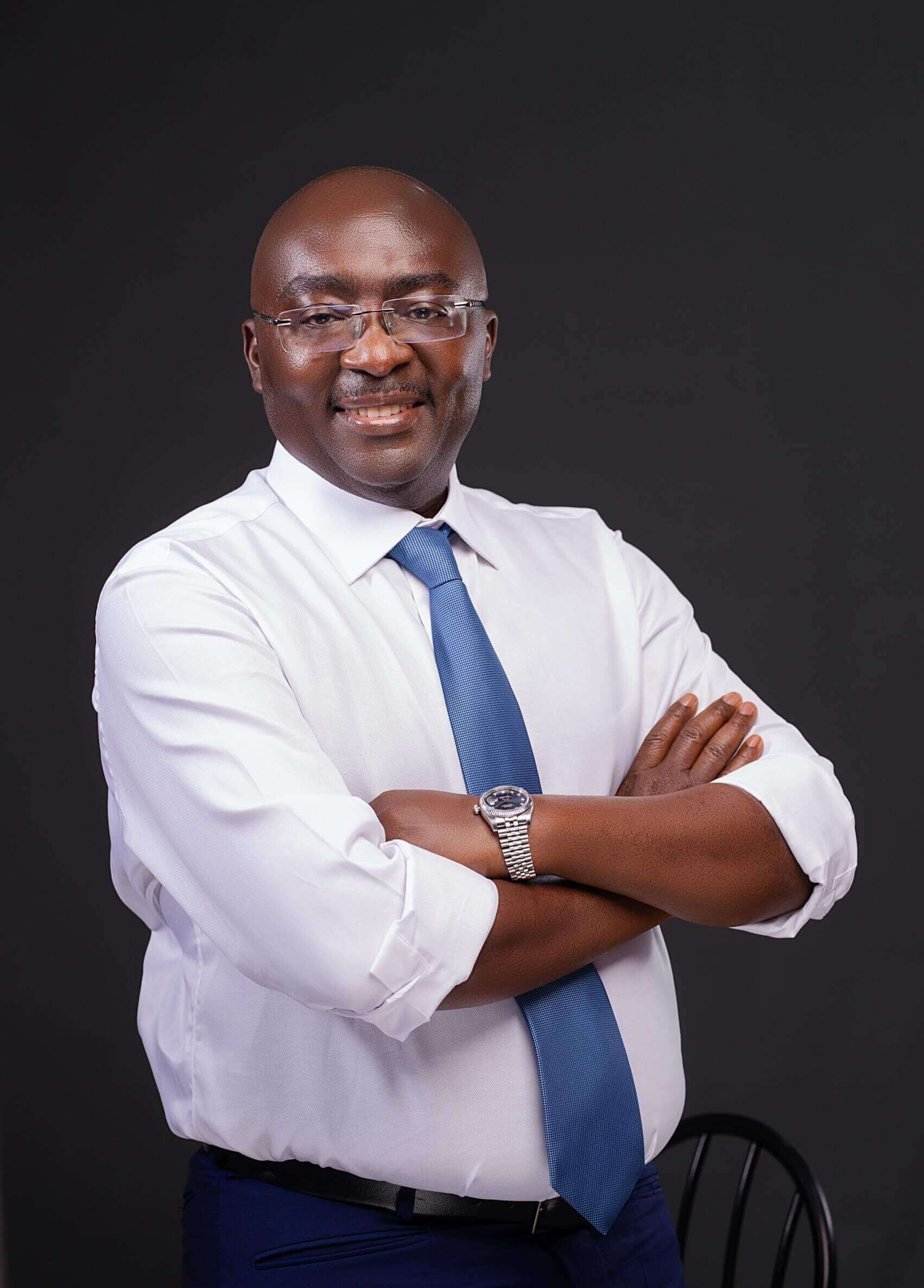
Ghana’s Economic Crisis: Is Dr. Bawumia Really to Blame?

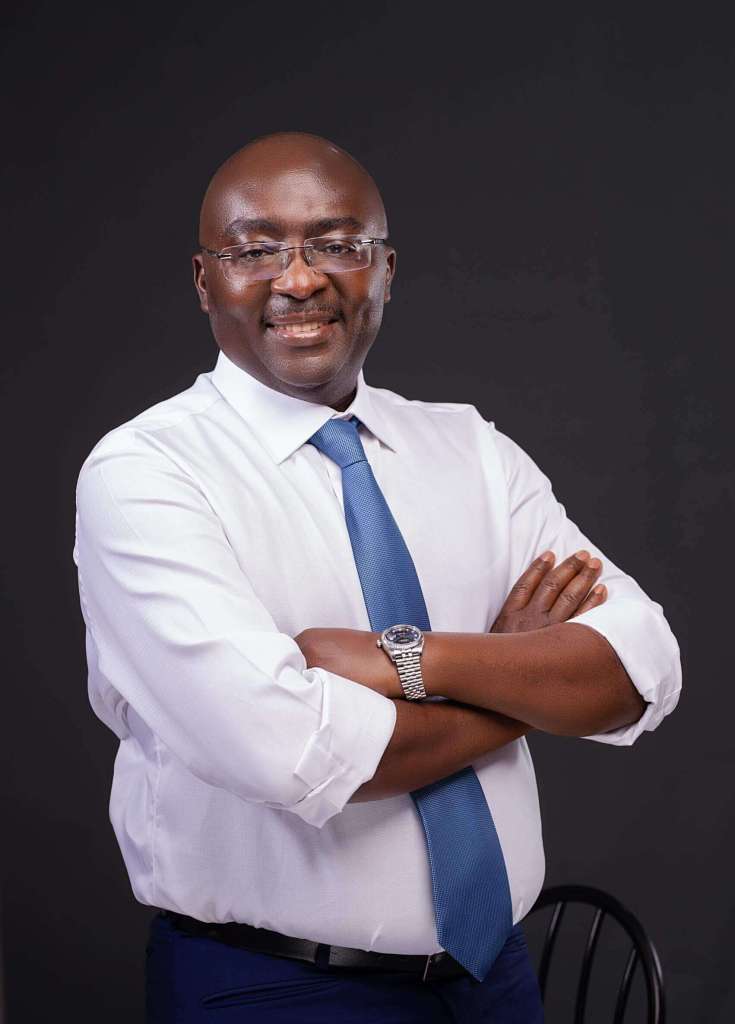
In the realm of Ghanaian politics, few figures have seen their reputations transform as dramatically as Dr. Mahamudu Bawumia. Once hailed as the economic messiah, Bawumia rode a wave of optimism and high expectations when he assumed the role of Vice President in 2017. His economic credentials and promises of transformative policies positioned him as a beacon of hope for many Ghanaians. However, fast forward to the present, and the economic landscape has shifted dramatically. With the country grappling with significant economic challenges, the once-revered Bawumia is now the subject of widespread criticism. But is it fair to place the blame for Ghana’s economic crisis squarely on his shoulders?

To understand the current economic situation and Bawumia’s role in it, we must first revisit the context of his rise to prominence. Dr. Bawumia entered the political arena with a robust academic background and considerable experience in economic policy. His tenure at the Bank of Ghana and his work with international financial institutions gave him a reputation for expertise that was unmatched by many of his peers. When he was selected as the running mate for Nana Akufo-Addo in the 2016 elections, it was clear that the New Patriotic Party (NPP) was banking on his economic prowess to turn around the fortunes of the nation.

Upon assuming office, Bawumia’s initial efforts appeared promising. He championed various reforms aimed at stabilising the economy, reducing inflation, and fostering growth. His policies on financial inclusion and digitalisation, such as the mobile money interoperability system, were hailed as innovative steps towards modernising Ghana’s economy. For a while, it seemed that Bawumia was delivering on his promises. However, the economic realities of governance soon began to test his capabilities.

The global economic environment has always had a significant impact on Ghana’s economy. Factors such as fluctuations in commodity prices, especially for cocoa and gold, have historically influenced economic stability. The COVID-19 pandemic, which erupted in 2020, dealt a severe blow to economies worldwide, and Ghana was no exception. The pandemic disrupted supply chains, reduced economic activity, and necessitated increased government spending to mitigate its effects. These external shocks contributed to a strained economic environment, complicating Bawumia’s efforts to maintain stability.

Internally, Ghana’s economy faced structural issues that predated Bawumia’s tenure but which he had to contend with. The country’s debt levels have been a persistent concern, with successive governments borrowing to finance development projects. While infrastructure development is crucial, the accompanying debt burden has often led to economic constraints. Bawumia inherited an economy already grappling with these challenges, and his policies, though well-intentioned, had to navigate this complex landscape.

One of the central criticisms leveled against Bawumia is the perceived disconnect between his promises and the outcomes. Critics argue that despite his assurances, the economic indicators have not improved as expected. Inflation has remained a thorny issue, with prices of essential goods and services continuing to rise, impacting the everyday lives of Ghanaians. The depreciation of the cedi, Ghana’s currency, against major international currencies has further exacerbated the situation, increasing the cost of imports and contributing to inflationary pressures.

However, attributing these economic woes solely to Bawumia overlooks the multifaceted nature of economic governance. The Vice President, while influential, operates within a broader government framework where various actors and factors play critical roles. Fiscal policy, largely driven by the Ministry of Finance, and monetary policy, managed by the Bank of Ghana, both significantly impact economic outcomes. Bawumia’s influence, though notable, is part of a collective effort that includes other key players in the government.

Moreover, economic policy implementation is not an instant process. The effects of policy changes often take time to manifest fully. Some of Bawumia’s initiatives, particularly in the digitalisation space, are long-term projects whose benefits may not be immediately visible. The push for a cashless society and the integration of digital technologies into various aspects of the economy are ambitious undertakings that require sustained effort and time to yield significant results.

The political dimension of Bawumia’s predicament cannot be ignored. In the high-stakes arena of Ghanaian politics, economic performance is a critical determinant of public perception and electoral success. As the Vice President and a prominent figure in the ruling NPP, Bawumia is a natural target for political opponents seeking to undermine the government’s credibility. The narrative of failure, therefore, serves not only as an economic critique but also as a strategic tool in the political contest for power.

Furthermore, the expectations placed on Bawumia were extraordinarily high. His branding as an economic savior created a perception that he had almost magical abilities to fix the economy. Such expectations were always unrealistic and set the stage for disappointment. The complexities of economic management, especially in a developing country with numerous structural challenges, mean that no single individual, regardless of expertise, can singlehandedly transform the economy.

In analysing Bawumia’s role and responsibility for the economic crisis, it is essential to adopt a balanced perspective. While he is undoubtedly a significant player and his policies and decisions have impacted the economy, the broader context in which these policies were implemented must be considered. External economic shocks, pre-existing structural issues, and the collaborative nature of governance all contribute to the current situation.

Moving forward, it is crucial for Ghana to adopt a holistic approach to economic management. This involves not only addressing immediate challenges but also implementing long-term strategies to build resilience and foster sustainable growth. Strengthening institutions, enhancing transparency and accountability, and promoting diversification of the economy are critical steps in this process. The lessons from the current crisis should inform future policies, ensuring that the economy is better prepared to withstand shocks and uncertainties.

Dr. Bawumia’s journey from economic messiah to embattled Vice President is a reflection of the broader complexities of governance and economic management. While his tenure has seen both achievements and setbacks, it is clear that the challenges facing Ghana’s economy cannot be attributed to him alone. A nuanced understanding of the factors at play and a collective effort to address them are essential for the country’s progress.

Overall, while Dr. Mahamudu Bawumia’s role in the current economic crisis is significant, it is not singularly determinative. The economic challenges Ghana faces are the result of a confluence of internal and external factors, structural issues, and policy decisions that extend beyond any one individual. Blaming Bawumia alone oversimplifies the complexities of economic governance and overlooks the collaborative nature of government operations. It is essential to move beyond the scapegoating and focus on comprehensive strategies to build a more resilient and prosperous economy for all Ghanaians.

Ghanaian Politics, Politics

The Rise of Nana Kwame Bediako: A Genuine Leader or a Populist?

In Ghanaian political landscape, new figures occasionally emerge, promising to shake up the status quo and offer fresh perspectives. One such figure is Nana Kwame Bediako, popularly known as Cheddar, a man who has swiftly risen to prominence, particularly among the youth. But as his star ascends, questions arise: Is Cheddar a genuine leader with a vision for Ghana’s future, or is he merely a populist, capitalising on discontent and making grand promises that lack substance?

Nana Kwame Bediako is a charismatic entrepreneur and philanthropist. His appeal lies largely in his success story, which resonates deeply with many Ghanaians. His business ventures, particularly in real estate and technology, showcase his entrepreneurial acumen and have garnered him considerable wealth and influence. Cheddar’s foray into politics has been marked by a savvy use of social media and public appearances to cultivate an image of a man of the people. He speaks directly to the frustrations and aspirations of Ghana’s youth, a demographic that constitutes a significant portion of the population. With unemployment rates high and economic opportunities limited, young Ghanaians are desperate for change, and Cheddar’s message of empowerment and innovation strikes a chord.

One of the key aspects of Cheddar’s appeal is his promise to address the economic challenges facing the country. He speaks passionately about the need for economic transformation, emphasising entrepreneurship, technological advancement, and education as pillars of his vision. His rhetoric suggests a deep understanding of the structural issues that hinder economic growth and a commitment to implementing policies that can drive sustainable development.

However, it is essential to scrutinise whether Cheddar’s promises are backed by concrete plans and realistic strategies. Populist leaders often gain traction by offering simple solutions to complex problems, and it remains to be seen whether Cheddar can translate his ideas into actionable policies. His emphasis on entrepreneurship, for example, is laudable, but fostering a thriving entrepreneurial ecosystem requires more than just encouraging people to start businesses. It involves creating an enabling environment with access to capital, mentorship, and markets, as well as addressing systemic issues such as corruption and bureaucratic inefficiencies.

Cheddar’s rise also raises questions about his understanding of governance and his ability to navigate the intricacies of political leadership. Successful entrepreneurship does not necessarily equate to effective governance. The skills required to run a business differ significantly from those needed to manage a country. Governance involves balancing competing interests, making tough decisions, and working within a framework of checks and balances. While Cheddar’s business success is impressive, it does not automatically qualify him to lead a nation.

Moreover, Cheddar’s political rhetoric, while inspiring, sometimes lacks specificity. His speeches and social media posts are filled with motivational language and grand visions, but details on how he plans to achieve these goals are often sparse. This raises concerns about whether his platform is based on substantial policy proposals or if it is merely designed to capture the imagination of disillusioned voters. Take, for example, his brilliant plan to dredge the sea all the way to Kumasi, a landlocked city. I mean, come on, that is pure genius, innit? It is no wonder everyone is rolling on the floor laughing at the sheer brilliance of it all – sarcasm intended. But, on the more serious note, genuine leadership requires not only vision but also a clear and practical roadmap for achieving that vision.

Another critical aspect of Cheddar’s rise is his relationship with existing political structures and elites. Populist leaders often position themselves as outsiders challenging the establishment, but they must also navigate the realities of political alliances and power dynamics. Cheddar’s ability to build coalitions, work with other political actors, and gain the trust of established institutions will be crucial in determining whether he can effect real change or if he will be sidelined by the very system he seeks to reform.

Furthermore, Cheddar’s personal wealth and business interests could potentially pose conflicts of interest. Transparency and accountability are vital in political leadership, and there must be mechanisms to ensure that his business dealings do not unduly influence his political decisions. Already, there have been numerous questions and allegations about his source of wealth. I mean, come on, starting a poultry farm with just a single chicken? That is some real “rags to riches” story right there! And selling scraps to make a million? Sounds like he’s been watching too many episodes of “Trash to Treasure” on TV.

The response of the Ghanaian public to Cheddar’s rise is also telling. While he enjoys significant support among the youth, his appeal among older generations and more conservative segments of society is less certain. Building a broad-based coalition that transcends age, ethnicity, and socioeconomic status will be essential for any leader aspiring to govern effectively. Cheddar’s ability to unite different factions and present a coherent, inclusive vision for Ghana’s future will be a key test of his leadership.

Critics of Cheddar argue that his rise is indicative of a broader trend of celebrity culture infiltrating politics, where charisma and media presence overshadow substantive policy discussions. They caution against the allure of charismatic figures who promise quick fixes but may lack the depth and experience required for effective governance. The history of populist leaders across the globe provides numerous examples of initial enthusiasm giving way to disappointment when rhetoric fails to translate into reality.

In contrast, supporters believe that Cheddar represents a new breed of leader, one who understands the aspirations of the younger generation and is not tainted by the failures of the past. They argue that his business acumen and fresh perspective are precisely what Ghana needs to break free from the cycle of mediocrity and corruption that has plagued its politics. For these supporters, Cheddar is not just a populist; he is a visionary leader capable of driving genuine transformation.

As Cheddar continues to build his political profile, it will be essential to watch how he addresses these critiques and navigates the complexities of leadership. His ability to articulate a clear and detailed policy agenda, demonstrate a commitment to transparency and ethical governance, and build broad-based support will determine whether he is a genuine leader or simply a populist figure.

Overall, Cheddar’s rise in Ghanaian politics is a phenomenon that encapsulates the hopes and frustrations of a significant segment of the population. His message of empowerment and economic transformation resonates deeply with the youth, who are eager for change. However, the true test of his leadership will lie in his ability to move beyond populist rhetoric and deliver tangible results. As Ghana looks to the future, the question remains: Will Cheddar emerge as a genuine leader capable of driving sustainable change, or will he be another in a long line of populist figures whose promises fall short? Only time will tell, but the stakes for Ghana’s future have never been higher.

Uncategorised

John Dramani Mahama: Infrastructural Feats, Economic Challenges, and 2024 Redemption

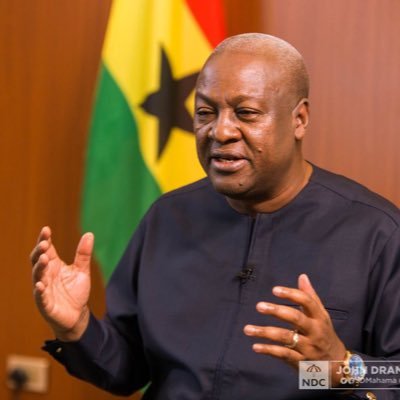
In the annals of Ghana’s political history, the name John Dramani Mahama evokes a sense of paradox. His presidency from 2012 to 2016 was marked by a duality that encapsulates the essence of leadership and its trials. On one hand, Mahama’s tenure was a period of significant infrastructural achievements, a testament to his vision for a modernised Ghana. On the other, the spectre of “dumsor” (persistent power outages) and subsequent economic hardships overshadowed his accomplishments, casting a long shadow over his political legacy. As the 2024 elections approach, Mahama stands at the crossroads of redemption, seeking to leverage his infrastructural feats to reclaim the mantle of leadership.

Mahama’s presidency began with a promise of transformation. Infrastructure became the cornerstone of his administration, with a vision to develop roads, hospitals, schools, and energy projects. Under his leadership, Ghana witnessed the construction of several key infrastructures, including the Ridge Hospital, the University of Ghana Medical Center, and numerous road networks. These projects were not mere facades of progress; they were critical developments aimed at enhancing the nation’s capacity and service delivery. For instance, the Ridge Hospital was upgraded to a state-of-the-art facility, providing much-needed healthcare services to a growing population. The construction of Terminal 3 at the Kotoka International Airport, the expansion of the Tema Port and the construction of the Kwame Nkrumah Interchange further illustrated Mahama’s commitment to infrastructure as the backbone of economic growth.

However, Mahama’s infrastructural achievements were significantly marred by the persistent and severe power outages, known locally as “dumsor,” which plagued Ghana during his presidency. Dumsor became a daily reality for many Ghanaians, affecting households, businesses, and the overall economy. The energy crisis was not merely an inconvenience; it had profound implications for industrial production, small businesses, and the quality of life of ordinary citizens. Industries faced increased production costs due to reliance on alternative power sources, and many small businesses were forced to close, unable to cope with the frequent and prolonged power cuts. This period of darkness, both literal and metaphorical, overshadowed Mahama’s infrastructural strides and became a symbol of his administration’s perceived incompetence.

Economically, Mahama’s tenure was further complicated by a downturn that exacerbated public discontent. High inflation rates, a depreciating currency, and rising unemployment painted a grim picture of the Ghanaian economy. The fiscal deficit ballooned, and public debt soared, leading to an International Monetary Fund (IMF) bailout in 2015. For many Ghanaians, these economic hardships were a direct result of poor governance and mismanagement, fueling a narrative of incompetence that Mahama’s opponents were quick to exploit. This economic narrative, combined with the energy crisis, created a powerful and negative perception that proved difficult to shake off.

In the 2016 elections, Mahama faced a resounding defeat to Nana Akufo-Addo of the New Patriotic Party (NPP). Akufo-Addo’s campaign capitalised on the electorate’s frustration with the economic and energy crises, promising a new dawn of prosperity and stability. The NPP’s victory was seen as a referendum on Mahama’s presidency, with many voters rejecting what they perceived as a legacy of failure. Despite this, Mahama remained a significant figure in Ghanaian politics, continuing to influence discourse and policy within the National Democratic Congress (NDC).

The 2020 elections offered Mahama a chance at redemption. Running once more against Akufo-Addo, Mahama campaigned on his record of infrastructure while promising to rectify past mistakes. The election was fiercely contested, but Mahama ultimately fell short, losing narrowly. The result, however, indicated that a substantial portion of the electorate still resonated with his message and recognized his efforts in nation-building. This close contest set the stage for the 2024 elections, where Mahama seeks to leverage his infrastructural legacy as a key component of his comeback strategy.

Mahama’s vision for a 24-hour economy is central to his 2024 campaign. This ambitious plan aims to transform Ghana into a nation that never sleeps, with continuous economic activities around the clock. The idea is to boost productivity, create jobs, and stimulate economic growth by maximising the use of time and resources. Mahama argues that a 24-hour economy would attract investments, improve public services, and enhance the quality of life for Ghanaians. The concept, while appealing in its potential to revolutionize the economy, faces significant challenges in implementation. It requires substantial improvements in infrastructure, security, and labour regulations to ensure that the workforce is protected and that the necessary services are available around the clock.

Critics, however, remain sceptical of Mahama’s ability to deliver on such grand promises. They point to his previous tenure, where despite notable infrastructural developments, the economy suffered. They argue that the issues of dumsor and economic mismanagement could resurface, undermining the feasibility of a 24-hour economy. Moreover, the nickname “Mahama the Incompetent,” coined by his opponents, continues to linger, serving as a reminder of the challenges he faced during his presidency. Overcoming this negative perception is a significant hurdle for Mahama as he seeks to regain the trust of the electorate.

To counter these criticisms, Mahama has focused on presenting a detailed and pragmatic plan for his 24-hour economy vision. He emphasises the importance of reliable energy supply, improved transportation networks, and enhanced security measures. Mahama argues that his previous infrastructural projects laid the groundwork for this transformation and that lessons learned from past mistakes will guide his approach. He highlights successful 24-hour economies in other countries as models, suggesting that Ghana can adapt similar strategies to its unique context.

Furthermore, Mahama has sought to address the economic concerns by proposing measures to stabilise the economy and promote growth. These include fiscal discipline, investment in key sectors such as agriculture and manufacturing, and initiatives to support small and medium-sized enterprises. Mahama’s campaign also focuses on social policies aimed at reducing poverty, improving education, and expanding healthcare services. By presenting a comprehensive and multifaceted approach, Mahama aims to convince voters that he has the vision and capability to lead Ghana towards a brighter future.

The challenge for Mahama, however, lies not only in articulating his vision but also in convincing a sceptical electorate that he can deliver on his promises. The memory of dumsor and economic hardship remains fresh in the minds of many Ghanaians. Overcoming this scepticism requires a combination of effective communication, concrete policy proposals, and a demonstration of competence and leadership. Mahama’s ability to connect with voters on a personal level, addressing their concerns and aspirations, will be crucial in his campaign.

Ghanaian Politics, Politics

From Mate to Driver: Will Ghanaians Hand Dr. Bawumia the Steer?

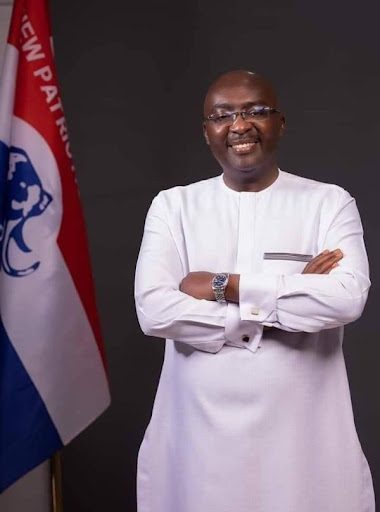
As the 2024 general elections approach, the political stage of Ghana is set for yet another captivating performance. Among the protagonists is Dr. Mahamudu Bawumia, the current Vice President, who is seeking to transition from his role as the “mate” to the main driver of the nation’s bus. His campaign slogan, “mo mfa steer no ɛma me,” which translates to “give me the steering wheel,” suggests a shift from being a mere assistant to taking full control. But can Ghanaians trust him with the wheel, considering the potholes and detours that have marred the journey so far?

Dr. Bawumia’s tenure as Vice President has been a tale of two cities: the optimistic early days when he was celebrated as the economic messiah and the more recent times marked by economic turbulence. He entered the political arena with a promise to fix the economy, stabilise the cedi, reduce inflation, and create jobs. His detailed lectures and data-driven presentations in the run-up to the 2016 elections painted a picture of a man who had all the answers. He criticised the then-incumbent NDC government for economic mismanagement and assured Ghanaians that the NPP had the magic formula to turn things around.

However, as any seasoned traveller knows, the road to development is fraught with unforeseen obstacles. The economy, despite Bawumia’s earlier assurances, has faced significant challenges. High inflation, a depreciating currency, and rising public debt have left many Ghanaians questioning the promises made. The global COVID-19 pandemic and the Russia-Ukraine war have undoubtedly contributed to these difficulties, but they have also revealed the fragility of the country’s economic foundations. The bus ride has been bumpy, and passengers are understandably anxious about handing over the steering wheel to the man who was supposed to navigate these treacherous roads.

In Ghanaian culture, the role of the “mate” in a trotro (public minibus) is crucial. The mate collects fares, helps passengers with their luggage, and communicates with the driver about stops and routes. While indispensable, the mate is not the one who steers the vehicle. Dr. Bawumia’s assertion that he was just the mate, and that the real driver was President Nana Akufo-Addo, is a clever metaphor. It absolves him, to some extent, from the full responsibility of the economic woes and shifts the focus on what he could do if given full control.

But Ghanaians are not easily swayed by metaphors and clever slogans. They are practical people who judge leaders by their actions and results. The question on everyone’s mind is whether Dr. Bawumia, if given the steering wheel, can indeed drive the country towards prosperity. His emphasis on digitalisation is commendable. Initiatives such as the digital property address system, mobile money interoperability, and efforts to digitise public services are steps in the right direction. They represent a modern vision for Ghana’s future, one where technology plays a central role in governance and economic development.

However, digitalisation alone cannot solve the immediate economic issues that Ghanaians face. Inflation, unemployment, and the high cost of living are pressing concerns that require immediate and tangible solutions. The average Ghanaian cares more about the price of kenkey and fish than about blockchain technology. Dr. Bawumia needs to demonstrate that his vision for digitalisation can translate into real benefits for the ordinary citizen. This means creating jobs, stabilising prices, and ensuring that the economic gains from digital initiatives trickle down to all levels of society.

Principally, the notion of leadership is deeply connected with the concept of trust. In many ways, a leader is like a bus driver entrusted with the safety and well-being of their passengers. The driver must have a clear sense of direction, be able to anticipate and avoid obstacles, and maintain the confidence of those on board. Dr. Bawumia’s request for the steering wheel is a request for trust, a call for Ghanaians to believe in his ability to lead them to a better future.

Then again, trust is a fragile commodity in politics. Dr. Bawumia’s previous role as the mate has given him an intimate understanding of the country’s challenges and the expectations of its people. But transitioning to the role of the driver means more than just holding the steering wheel; it means earning the trust of the passengers. This trust is built on a track record of delivering on promises and demonstrating competence in times of crisis. Ghanaians need to believe that Dr. Bawumia has not only the vision but also the capability to navigate the country through turbulent times.

Dr. Bawumia’s campaign strategy must therefore be multifaceted. He needs to address the immediate economic concerns of Ghanaians while also presenting a long-term vision for digital transformation. This requires a delicate balance between practicality and innovation. On one hand, he must offer concrete solutions to stabilise prices, create jobs, and manage public debt. On the other hand, he needs to articulate how digitalization can drive economic growth, improve public services, and enhance the quality of life for all Ghanaians.

Moreover, Dr. Bawumia must engage directly with the electorate. He needs to listen to their concerns, understand their frustrations, and provide reassurances that he is capable of leading the country through these challenging times. This means going beyond the data and statistics that characterised his previous lectures and connecting with people on a personal level. Ghanaians want to see a leader who is not only knowledgeable but also empathetic and responsive to their needs.

The political environment in Ghana is one of high expectations and even higher scrutiny. Bawumia’s request for the steering wheel is a bold move, one that requires him to step out of the shadow of his role as the mate and prove that he has what it takes to drive the nation forward. The electorate will be watching closely, evaluating his every move and weighing his promises against their lived experiences. In the end, the decision to give Bawumia the steering wheel will come down to whether Ghanaians believe that he can deliver on his promises and navigate the country through its economic challenges.

As the 2024 elections approach, Dr. Bawumia’s challenge is clear. He must convince a sceptical electorate that he is the right person to lead Ghana into a new era of prosperity and stability. This requires a combination of clear vision, practical solutions, and genuine engagement with the people. It is a test of leadership, character, and trust. If Bawumia can rise to this challenge, he may well earn the steering wheel and the opportunity to drive Ghana towards a brighter future. If not, the journey will continue, with Ghanaians seeking a driver who can truly steer them in the right direction.