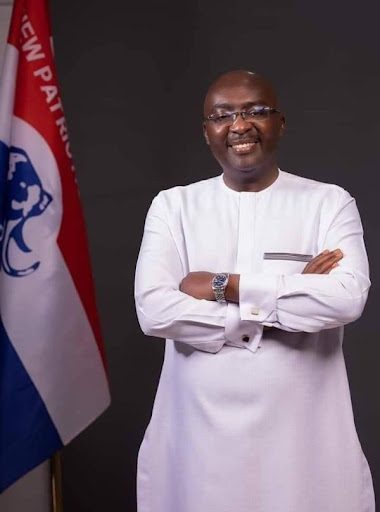
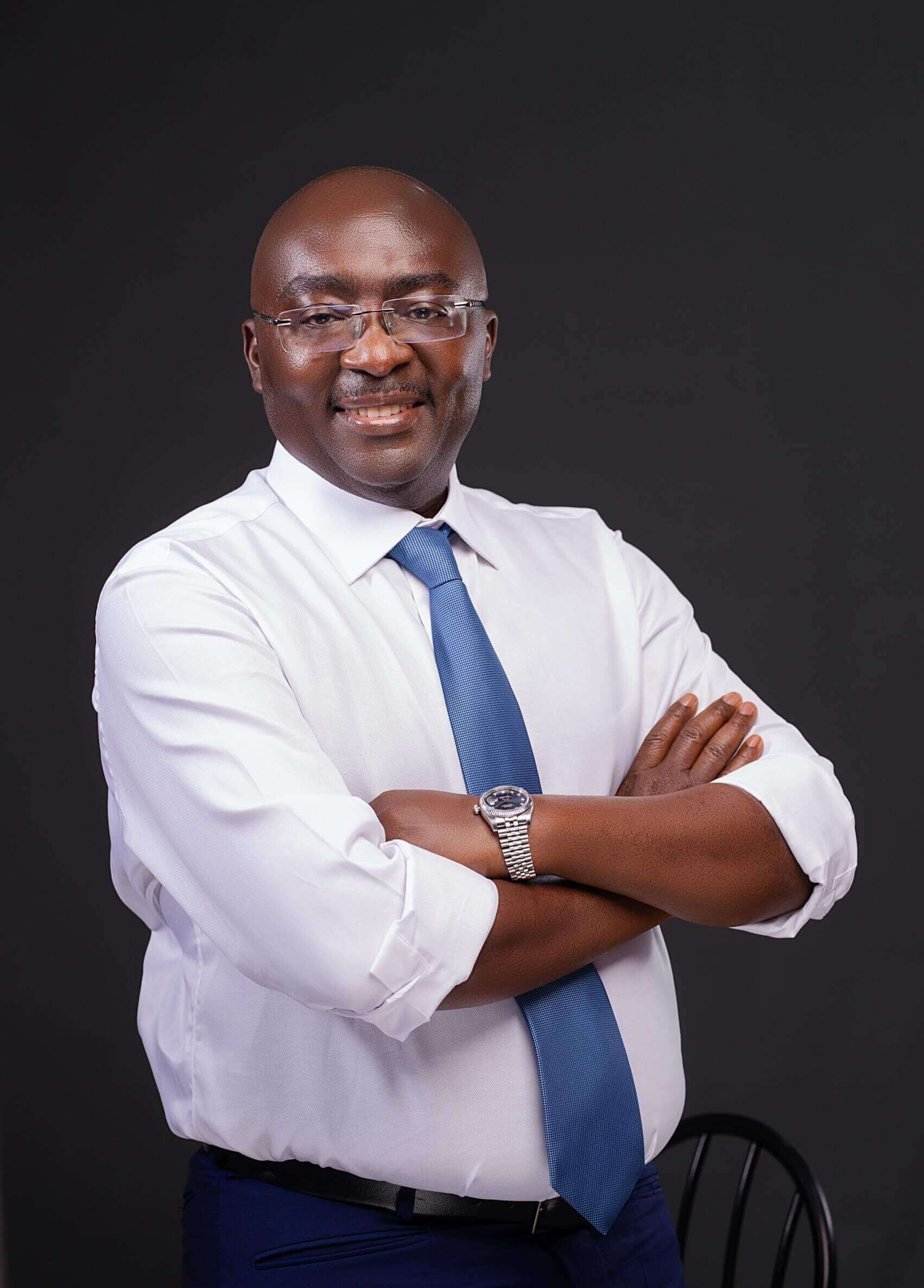
As the 2024 general elections approach, the political stage of Ghana is set for yet another captivating performance. Among the protagonists is Dr. Mahamudu Bawumia, the current Vice President, who is seeking to transition from his role as the “mate” to the main driver of the nation’s bus. His campaign slogan, “mo mfa steer no ɛma me,” which translates to “give me the steering wheel,” suggests a shift from being a mere assistant to taking full control. But can Ghanaians trust him with the wheel, considering the potholes and detours that have marred the journey so far?
Dr. Bawumia’s tenure as Vice President has been a tale of two cities: the optimistic early days when he was celebrated as the economic messiah and the more recent times marked by economic turbulence. He entered the political arena with a promise to fix the economy, stabilise the cedi, reduce inflation, and create jobs. His detailed lectures and data-driven presentations in the run-up to the 2016 elections painted a picture of a man who had all the answers. He criticised the then-incumbent NDC government for economic mismanagement and assured Ghanaians that the NPP had the magic formula to turn things around.
However, as any seasoned traveller knows, the road to development is fraught with unforeseen obstacles. The economy, despite Bawumia’s earlier assurances, has faced significant challenges. High inflation, a depreciating currency, and rising public debt have left many Ghanaians questioning the promises made. The global COVID-19 pandemic and the Russia-Ukraine war have undoubtedly contributed to these difficulties, but they have also revealed the fragility of the country’s economic foundations. The bus ride has been bumpy, and passengers are understandably anxious about handing over the steering wheel to the man who was supposed to navigate these treacherous roads.
In Ghanaian culture, the role of the “mate” in a trotro (public minibus) is crucial. The mate collects fares, helps passengers with their luggage, and communicates with the driver about stops and routes. While indispensable, the mate is not the one who steers the vehicle. Dr. Bawumia’s assertion that he was just the mate, and that the real driver was President Nana Akufo-Addo, is a clever metaphor. It absolves him, to some extent, from the full responsibility of the economic woes and shifts the focus on what he could do if given full control.
But Ghanaians are not easily swayed by metaphors and clever slogans. They are practical people who judge leaders by their actions and results. The question on everyone’s mind is whether Dr. Bawumia, if given the steering wheel, can indeed drive the country towards prosperity. His emphasis on digitalisation is commendable. Initiatives such as the digital property address system, mobile money interoperability, and efforts to digitise public services are steps in the right direction. They represent a modern vision for Ghana’s future, one where technology plays a central role in governance and economic development.
However, digitalisation alone cannot solve the immediate economic issues that Ghanaians face. Inflation, unemployment, and the high cost of living are pressing concerns that require immediate and tangible solutions. The average Ghanaian cares more about the price of kenkey and fish than about blockchain technology. Dr. Bawumia needs to demonstrate that his vision for digitalisation can translate into real benefits for the ordinary citizen. This means creating jobs, stabilising prices, and ensuring that the economic gains from digital initiatives trickle down to all levels of society.
Principally, the notion of leadership is deeply connected with the concept of trust. In many ways, a leader is like a bus driver entrusted with the safety and well-being of their passengers. The driver must have a clear sense of direction, be able to anticipate and avoid obstacles, and maintain the confidence of those on board. Dr. Bawumia’s request for the steering wheel is a request for trust, a call for Ghanaians to believe in his ability to lead them to a better future.
Then again, trust is a fragile commodity in politics. Dr. Bawumia’s previous role as the mate has given him an intimate understanding of the country’s challenges and the expectations of its people. But transitioning to the role of the driver means more than just holding the steering wheel; it means earning the trust of the passengers. This trust is built on a track record of delivering on promises and demonstrating competence in times of crisis. Ghanaians need to believe that Dr. Bawumia has not only the vision but also the capability to navigate the country through turbulent times.
Dr. Bawumia’s campaign strategy must therefore be multifaceted. He needs to address the immediate economic concerns of Ghanaians while also presenting a long-term vision for digital transformation. This requires a delicate balance between practicality and innovation. On one hand, he must offer concrete solutions to stabilise prices, create jobs, and manage public debt. On the other hand, he needs to articulate how digitalization can drive economic growth, improve public services, and enhance the quality of life for all Ghanaians.
Moreover, Dr. Bawumia must engage directly with the electorate. He needs to listen to their concerns, understand their frustrations, and provide reassurances that he is capable of leading the country through these challenging times. This means going beyond the data and statistics that characterised his previous lectures and connecting with people on a personal level. Ghanaians want to see a leader who is not only knowledgeable but also empathetic and responsive to their needs.
The political environment in Ghana is one of high expectations and even higher scrutiny. Bawumia’s request for the steering wheel is a bold move, one that requires him to step out of the shadow of his role as the mate and prove that he has what it takes to drive the nation forward. The electorate will be watching closely, evaluating his every move and weighing his promises against their lived experiences. In the end, the decision to give Bawumia the steering wheel will come down to whether Ghanaians believe that he can deliver on his promises and navigate the country through its economic challenges.
As the 2024 elections approach, Dr. Bawumia’s challenge is clear. He must convince a sceptical electorate that he is the right person to lead Ghana into a new era of prosperity and stability. This requires a combination of clear vision, practical solutions, and genuine engagement with the people. It is a test of leadership, character, and trust. If Bawumia can rise to this challenge, he may well earn the steering wheel and the opportunity to drive Ghana towards a brighter future. If not, the journey will continue, with Ghanaians seeking a driver who can truly steer them in the right direction.
 Dr. Asiamah's Gazette