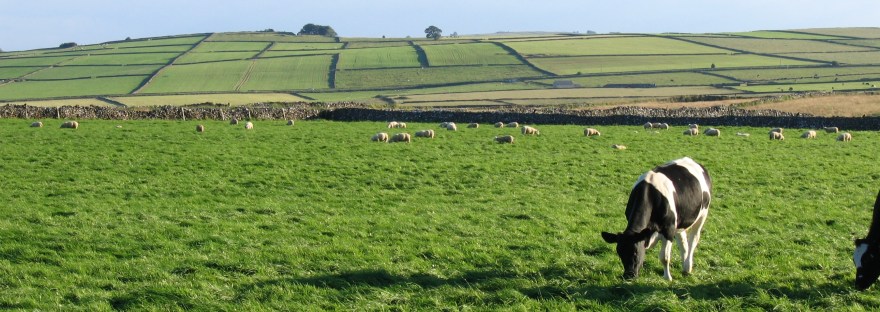
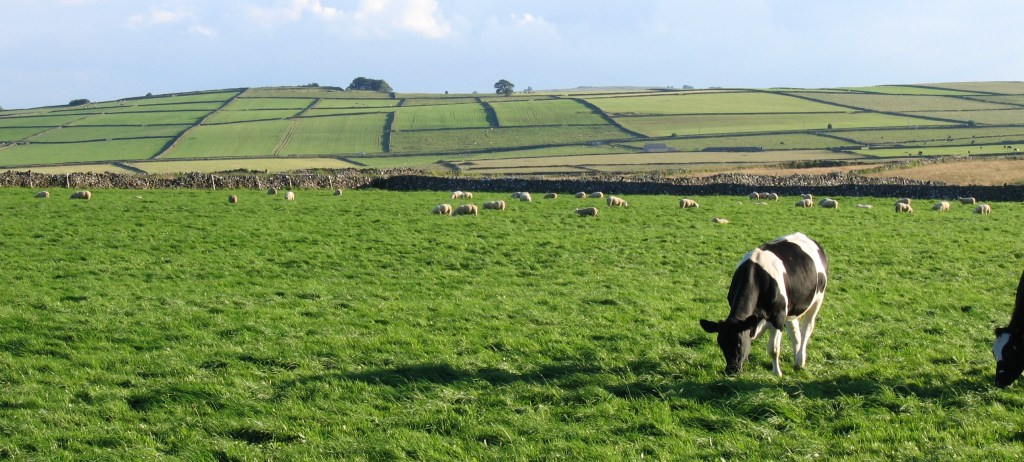
As the UK barrels towards the 2024 general election, the agricultural sector, often the quiet backbone of the nation, finds itself in a peculiar position. Historically overlooked in the glitz and glamour of campaign promises, agriculture now sits awkwardly in the limelight. It’s a sector that doesn’t scream for attention like health or immigration, but without it, we’d all be pretty hungry. So, what do our noble politicians have in store for the farmers who toil the land and, by extension, for the rest of us who benefit from their hard work?
Let’s be honest: agriculture isn’t the sexiest topic on the campaign trail. It’s not going to win over city dwellers preoccupied with the latest tax policies or NHS reform. Yet, agriculture is the thread that ties us all together, whether we realise it or not. Every tax policy, trade agreement, and environmental regulation reverberates through the fields and pastures, affecting what ends up on our dinner tables.
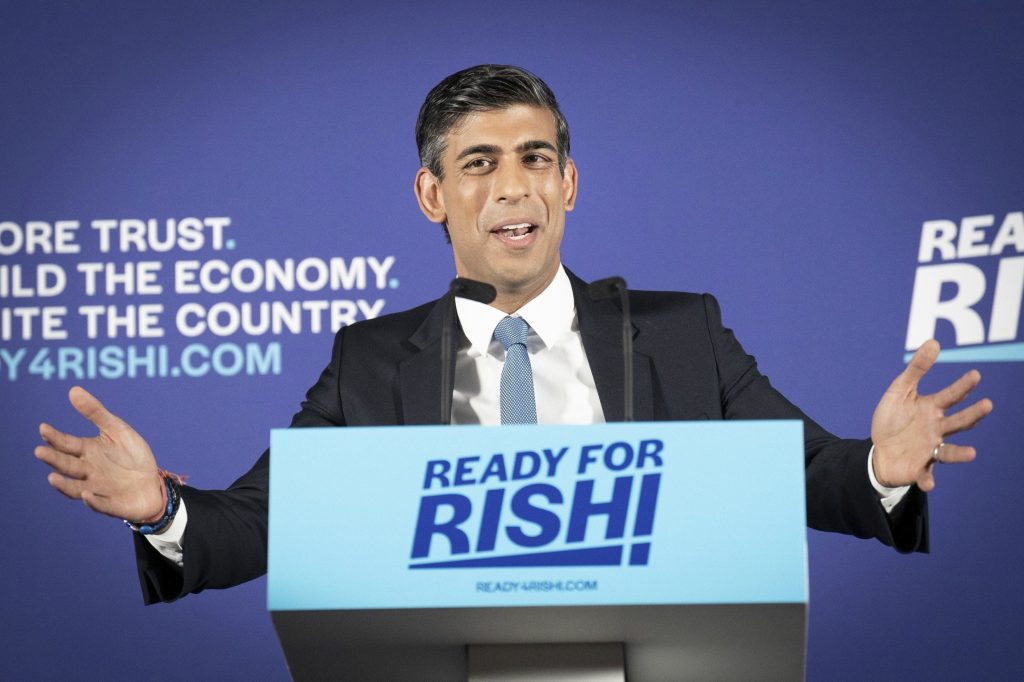
First, let’s talk about the Conservatives. The party that traditionally prides itself on supporting business and industry, but often finds itself in a bit of a pickle when it comes to agriculture. Rishi Sunak’s government has promised to support British farmers, but the specifics are as murky as a ploughed field after a rainstorm. They talk a good game about maintaining high standards for food production and animal welfare, but there’s a catch. They’re also all in for free trade agreements that sometimes prioritise cheaper imports over home-grown produce. The classic Conservative dilemma: to protect or to profit?
Sunak’s stance on agriculture seems to be a balancing act between pandering to rural voters and keeping urbanites happy with low food prices. On one hand, they’re promising subsidies and support for innovative farming practices. On the other, their trade deals with countries like Australia and the US could undercut British farmers. It’s like promising a kid candy, then handing it to his richer, more powerful cousin. Farmers might get some help to innovate, but they’ll also face tougher competition from imports that don’t always meet the same rigorous standards.
Switching gears to Labour, Keir Starmer is trying to paint a brighter future for British agriculture, but not without his own set of contradictions. Labour’s manifesto is big on sustainability and green farming practices, aiming to make British agriculture the poster child for environmental responsibility. Starmer wants to invest heavily in organic farming, reduce pesticide use, and increase biodiversity. It sounds wonderful, doesn’t it? Until you realize that this vision comes with a hefty price tag.
Labour’s green dreams are noble, but they could also mean higher costs for farmers and, consequently, higher prices for consumers. It’s the classic green vs. greenbacks conundrum. How much are we willing to pay for sustainability? And more importantly, how much are farmers willing to change without going bankrupt? Labour promises grants and financial support, but the practicalities of such a transition could make the difference between thriving farms and deserted fields.
Moreover, both parties have to grapple with the implications of Brexit. Yes, the B-word. Brexit has already turned the agricultural sector upside down, shaking up trade routes and supply chains. The Common Agricultural Policy (CAP) of the EU, which provided substantial subsidies to UK farmers, is a thing of the past. The government’s replacement, the Environmental Land Management Scheme (ELMS), is supposed to reward farmers for environmentally friendly practices. It’s a nice idea on paper, but the rollout has been slower than a tractor in first gear.
Under the ELMS, farmers are encouraged to enhance biodiversity, improve water quality, and reduce carbon emissions. However, the transition from the old subsidy system to this new, greener approach has left many farmers uncertain and anxious. The Conservatives assure us that this will ultimately benefit both the environment and the farmers, but the immediate reality feels like asking a marathon runner to switch to high heels halfway through the race.
Adding to the complexity, immigration policy throws another spanner in the works. The agricultural sector heavily relies on seasonal migrant workers, and immigration rules have tightened post-Brexit. Both Labour and the Conservatives acknowledge this issue, but their solutions differ. Labour proposes more flexible immigration rules to ensure farms have the labour they need. The Conservatives, however, focus on automation and mechanization as a long-term solution, a vision that sounds futuristic but may leave farmers struggling in the short term.
In practical terms, let’s take a hypothetical farmer, Mr. Green, who runs a modest dairy farm in Somerset. Under the Conservatives, Mr. Green might receive some support to adopt new technologies, but he’ll also face competition from imported dairy products. He could invest in robotic milkers, but these come with high upfront costs and a steep learning curve. Meanwhile, if Labour takes the helm, Mr. Green might get subsidies to turn his farm organic. However, transitioning to organic farming isn’t just a matter of flipping a switch; it requires time, money, and a market willing to pay premium prices for organic milk.
The crux of the matter is that agriculture is more interconnected with other policies than many care to acknowledge. Economic strategies, trade deals, immigration laws, and environmental policies all converge on the farms across the UK. Yet, the discourse remains fragmented, with agriculture often treated as a peripheral issue rather than a central pillar of policymaking.
Consider the linkage between trade policies and agriculture. A free trade agreement with Australia, which the Conservatives boast about, might reduce tariffs on Australian beef. This could be great for consumers craving cheaper steaks, but what about British beef farmers? They’re suddenly competing with vast Australian ranches where production costs are lower. The impact isn’t just economic; it’s cultural and environmental. British farmers often maintain hedgerows and woodlands, contributing to the rural landscape and biodiversity, practices not necessarily mirrored by their Australian counterparts.
On the immigration front, the seasonal nature of farm labour demands a flexible, reliable workforce. The Conservatives’ push towards automation might seem like a futuristic solution, but machines can’t pick strawberries with the same care and efficiency as human hands. Labour’s approach to ease immigration restrictions for seasonal workers might keep the farms running, but it’s a temporary fix to a deeper issue of workforce stability and rural employment.
Agriculture is also a bellwether for economic health. When farms struggle, rural economies suffer. The decline of small farms leads to the decay of rural communities, loss of local markets, and a disappearance of traditional knowledge and skills. A thriving agricultural sector, supported by coherent policies, not only feeds the nation but also sustains rural life and traditions.
So, as the election looms, what should farmers do? The answer is as complex as the issues they face. Voting isn’t just a matter of picking the party with the shiniest manifesto. It’s about considering the broader implications of each policy and how it intertwines with the practicalities of running a farm. Farmers must weigh the promises against the realities of their daily lives, considering both short-term needs and long-term sustainability.
In the end, the 2024 election might not revolutionise British agriculture, but it will set the tone for the next few years. Whether it’s through better trade deals, sensible immigration policies, or realistic environmental goals, the future of farming hinges on political decisions made today. As politicians jostle for votes, let’s hope they remember the hands that feed the nation. Because without them, all their grand promises will be worth less than a hill of beans.

 Dr. Asiamah's Gazette