As the UK approaches the 2024 general election, the political landscape is charged with a sense of urgency and uncertainty. The choices voters make in this election will not only determine the direction of the country for the next five years but could also have lasting impacts on the nation’s social, economic, and environmental fabric. This election is a critical juncture, laden with complex issues and competing visions for the future.
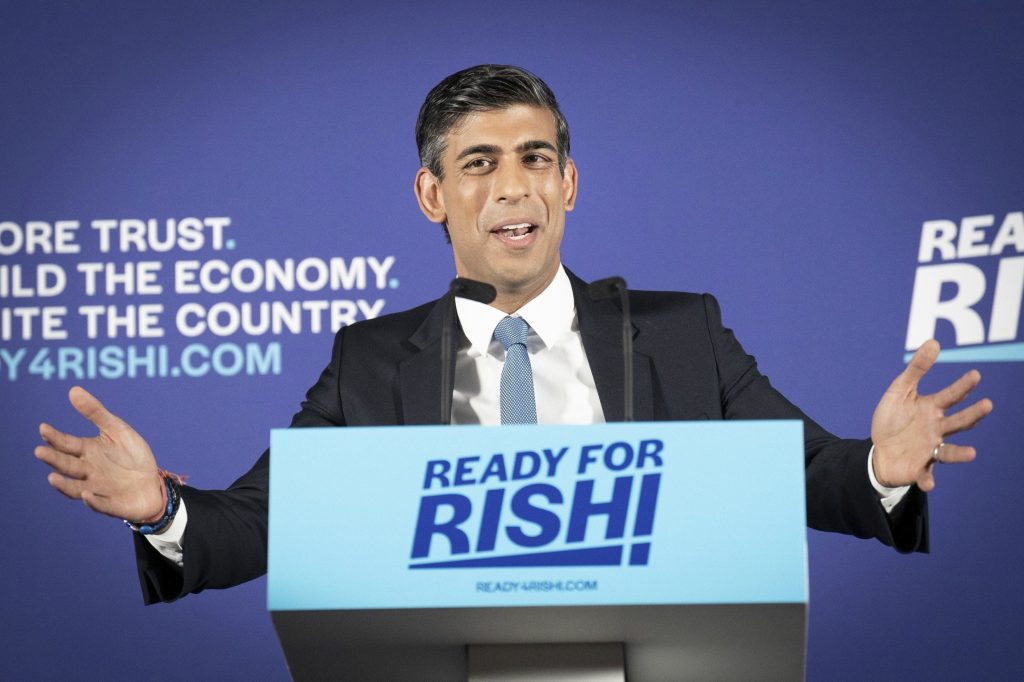
At the forefront of the debate is the economy, a topic that has dominated political discourse. The Conservatives, led by Prime Minister Rishi Sunak, have focused on tax cuts as a means to stimulate economic growth. Their manifesto promises reductions in income tax and corporation tax, aiming to put more money into the pockets of individuals and businesses. The underlying philosophy is clear: lower taxes will lead to increased spending and investment, thereby boosting the economy. However, this approach has been met with skepticism. Critics argue that tax cuts primarily benefit the wealthy and corporations, widening the gap between rich and poor. The question remains whether this trickle-down approach can truly address the economic challenges faced by ordinary citizens.
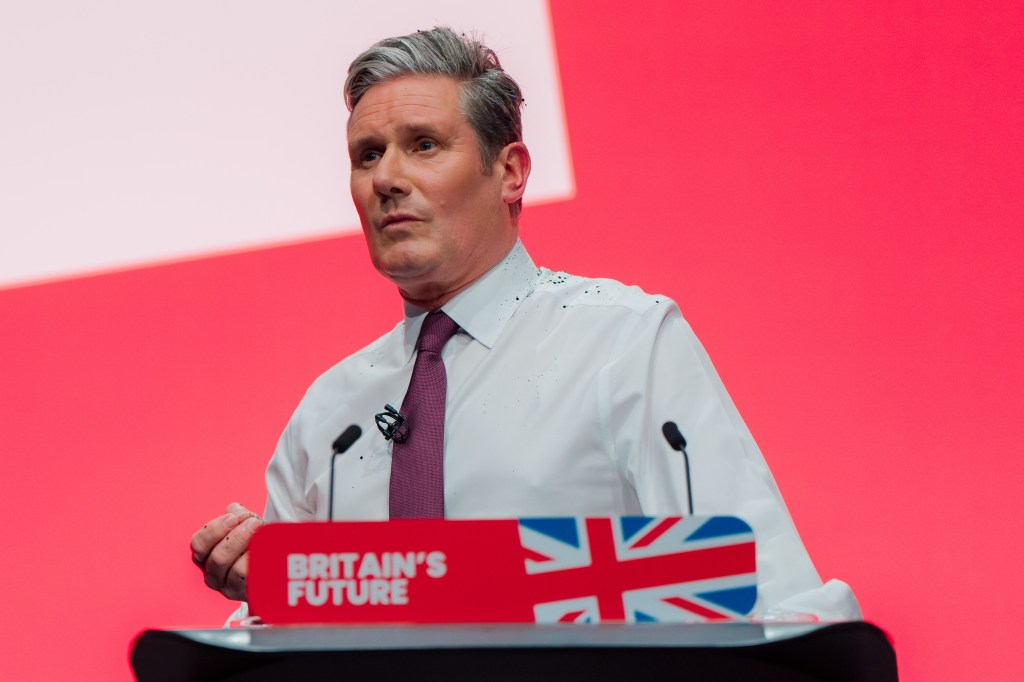
On the other hand, the Labour Party, under Keir Starmer, has proposed a more redistributive economic policy. Labour’s focus is on increasing public spending, particularly in health and education, funded by higher taxes on the wealthy and large corporations. Their argument is that by investing in public services and infrastructure, the government can create a more equitable society and sustainable economic growth. This philosophy is rooted in the belief that a strong welfare state is essential for social cohesion and economic stability. However, this approach is not without its critics, who warn that higher taxes could stifle business investment and economic dynamism.
Health care is another pivotal issue in this election. The NHS, long considered a cornerstone of British society, is under immense pressure. The Conservatives have pledged to increase funding and improve efficiency within the NHS, but their track record has been marred by accusations of underfunding and mismanagement. Labour, conversely, has committed to a substantial increase in NHS funding, aiming to reduce waiting times and improve patient care. They also plan to address the staffing crisis by recruiting more health workers and improving their pay and conditions. The practical implications of these policies are significant: while increased funding and recruitment are urgently needed, the source of this funding and its long-term sustainability remain contentious.
Immigration has emerged as one of the most hotly debated topics in this election. The UK has seen a sharp rise in both legal and illegal immigration, leading to polarised opinions on how to manage this influx. The Conservatives have taken a hardline stance, advocating for stricter controls and the controversial Rwanda Bill, which aims to deport illegal immigrants to Rwanda. This policy has been criticised as inhumane and impractical, with opponents arguing that it fails to address the root causes of immigration and asylum seeking. Labour has taken a different approach, proposing to scrap the Rwanda Bill and instead focus on returning illegal immigrants to their home countries. They also advocate for a more compassionate and efficient asylum system, as well as a cap on legal migration. This pragmatic stance aims to balance the need for immigration control with the recognition of the UK’s humanitarian responsibilities.
The environment, once a prominent issue in British politics, appears to have taken a back seat in this election. Both major parties have been criticised for their lack of ambitious environmental policies. The Conservatives have issued new oil licenses, signaling a continued reliance on fossil fuels, while Labour has abandoned its £28 billion investment pledge for a green transition. This retreat from environmental commitments is alarming in the context of the global climate crisis. Practical examples of the consequences of such neglect are evident in the increasing frequency of extreme weather events, which have devastating impacts on communities and economies alike.
A close examination of the manifestoes of the major parties reveals stark differences in their visions for the future. The Conservatives’ manifesto emphasizes economic growth through deregulation and tax cuts, with a focus on traditional industries such as finance and fossil fuels. Their policies are geared towards maintaining the status quo and supporting established economic structures. Labour’s manifesto, in contrast, is more progressive, with a strong emphasis on social justice and public investment. They advocate for a transition to a green economy, improved public services, and a fairer distribution of wealth.
The interplay between these themes – economy, health, immigration, and the environment – reflects broader ideological divides. The Conservatives’ approach is grounded in neoliberal principles, prioritising market solutions and individual responsibility. Labour, on the other hand, champions a more collectivist vision, emphasizing the role of the state in ensuring social welfare and environmental sustainability. These philosophical differences are not merely abstract; they have concrete implications for policy and governance.
A critical question arises: has the economy taken precedence over all other issues in this election? There is a strong argument to be made that it has. Economic policies are at the forefront of both parties’ campaigns, and the discourse around tax cuts, public spending, and fiscal responsibility dominates the political narrative. This focus is understandable given the economic challenges the UK faces, including inflation, stagnant wages, and rising living costs. However, the prioritisation of economic issues can lead to the marginalisation of other crucial areas, such as health care and the environment, which are inextricably linked to economic well-being.
In practical terms, the policies proposed by both parties must be evaluated not just on their ideological merits, but also on their feasibility and potential impact. For instance, tax cuts proposed by the Conservatives need to be scrutinised for their long-term fiscal sustainability and their actual effect on economic inequality. Similarly, Labour’s ambitious plans for public investment must be assessed for their practical implementation and funding mechanisms.
As voters head to the polls, they must navigate this complex landscape of competing visions and promises. The 2024 election is not just about choosing a government for the next five years; it is about setting the course for the future of the UK. The choices made will reflect broader societal values and priorities – whether the focus is on economic growth at any cost, a commitment to social justice and public welfare, or a balanced approach that integrates economic, social, and environmental considerations.
Ultimately, this election is a test of the UK’s democratic values and the responsiveness of its political system to the needs and aspirations of its citizens. It is a moment of critical reflection on the kind of society the UK wants to be and the legacy it wishes to leave for future generations. As such, every vote cast is not just a choice between parties and policies, but a statement of belief in a particular vision of the future. The stakes could not be higher, and the responsibility could not be greater.
 Dr. Asiamah's Gazette